Oura Ring review: a year of wearing it every night
Hands-on: written from our own long-term use of the products named.
What I use, and for how long
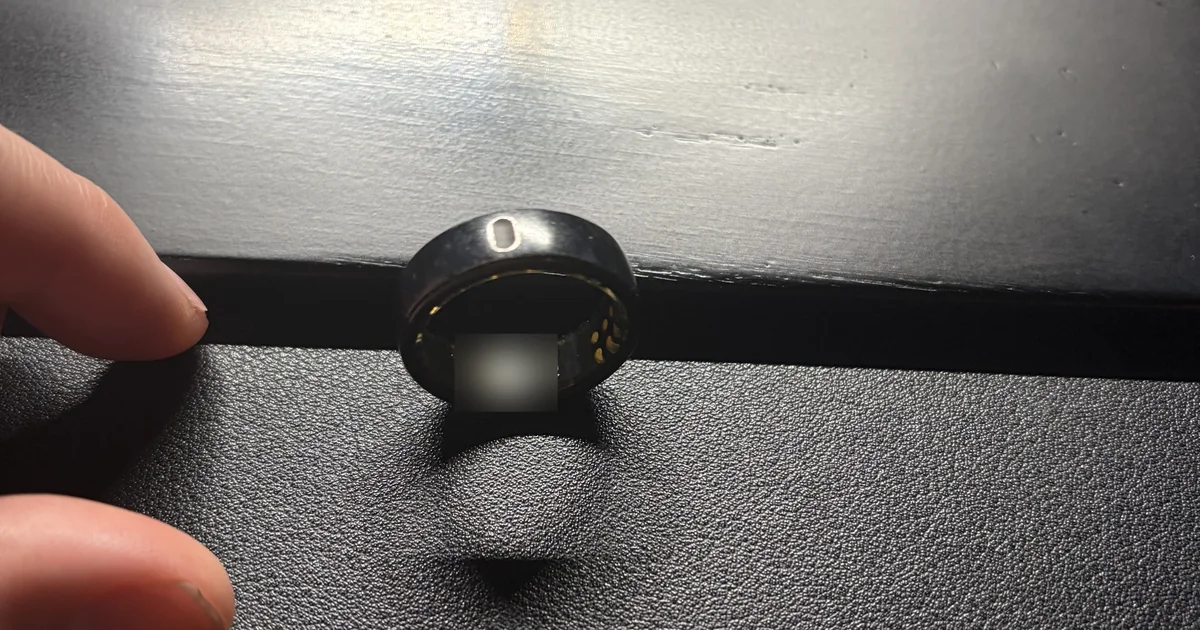
I bought this Oura Ring Gen3 myself, with my own money, and I pay for the membership. I have worn it every night for more than a year. That is the whole basis of this review: one person, one ring, long enough for the novelty to wear off.
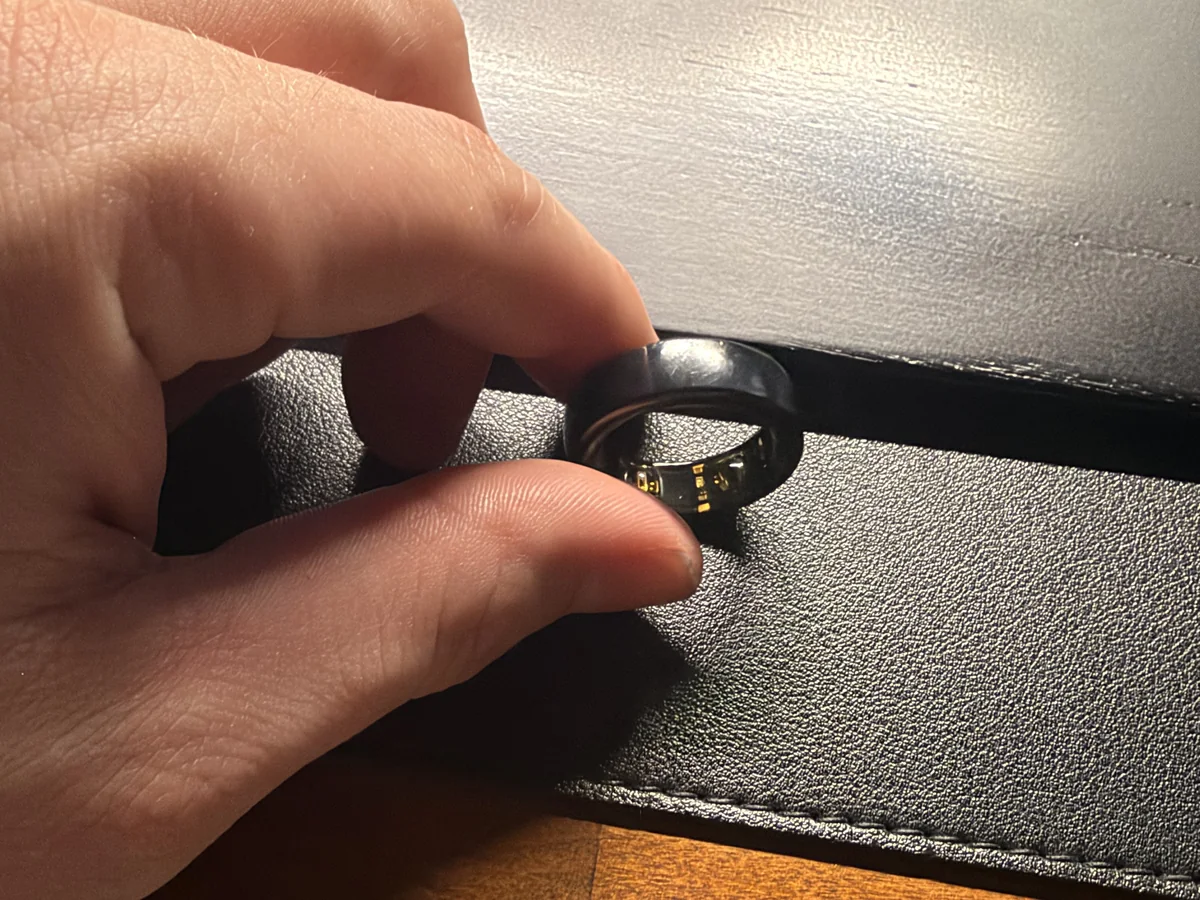
One thing to know up front: the Gen3 is no longer Oura's newest ring. Oura now sells the Ring 4, listed at US$349 to $499, and the newer Ring 5, listed at CA$529 to CA$649 on its Canadian store.[3][4] I have not used either, so everything hands-on below is about the Gen3 and its membership.
What it changed
I go to bed at a steadier time
Seeing the readiness and sleep scores every morning pushed me toward a more consistent bedtime. A regular schedule is one of the better-supported sleep habits; the guide covers the research in sleep and recovery basics.
It flagged a dip before I felt sick
The ring tracks your body temperature and resting heart rate against your own baseline, and those feed the readiness score.[8] I have had it show a dip before I noticed I was getting sick. That is useful as a heads-up to take it easy. It is not a diagnosis, and Oura does not sell it as one.
I cut back on alcohol and late meals
Seeing my overnight heart rate and HRV look worse after drinks or a late dinner is what got me to cut back. Oura itself lists alcohol among the most common things that drag the readiness score down.[8]
"Both. A no-sub ring and this one, and see the differences. But I hate a 9-dollar-a-month thing."
My answer, lightly edited for punctuation, when asked whether I would buy it again today.
What bugs me
The membership
You buy the ring and then pay monthly to see most of what it measures. Oura lists the membership at CA$7.99 a month or CA$89.99 a year in Canada, and US$5.99 a month or $69.99 a year in the US, all before tax.[1] After tax, the monthly Canadian plan comes to roughly $9, which is where my number comes from. Over two years, the annual plan adds about CA$180 or US$140 on top of the ring.
Cancel it and the ring keeps working, but only partly. Oura says that without a membership you see your three daily scores (Readiness, Sleep and Activity), the ring's battery, and basic settings. You can still download your data.[2] We break down whether that is enough in is Oura worth it without the subscription?
Charging
The ring needs regular trips to its charger, and if the battery runs out overnight, that night is not recorded. Newer models claim longer battery life: Oura lists 5 to 8 days for the Ring 4 and 6 to 9 days for the Ring 5, depending on size and use.[3][4] I cannot confirm those numbers first-hand.
How accurate is it? (research, not my testing)
I cannot check my ring against a sleep lab, so this part comes from published studies. In an Oura-funded study of 96 adults, the Gen3 matched lab sleep studies on total sleep time and most stages, and underestimated REM by a few minutes.[5] An independent 2025 meta-analysis of six studies found no significant difference from lab measurements on average, but with wide margins for individual stages.[6] For heart data, overnight resting heart rate tracked an ECG closely, while HRV was only accurate with careful filtering and was noisier in people over 45.[7]
The practical read from that evidence: lean on total sleep, bedtime and resting heart rate trends, and treat the deep and REM split as a rough estimate. The readiness score is Oura's own blend of those inputs, compared against your recent baseline.[8] If yours keeps coming in low, see why your Oura readiness score is low.
Scorecard
Scored the way we score every device; the criteria are on how we review.
| Criterion | Oura Ring Gen3 + membership |
|---|---|
| Published accuracy evidence | Strong for a consumer ring: several Gen3 studies against lab sleep studies, some Oura-funded[5][6] |
| What it changed for us | Steadier bedtime; less alcohol and late eating; an early dip before getting sick |
| Battery and charging | A recurring chore for us |
| Subscription, 3 years (yearly plan) | About US$210 or CA$270 on top of the ring[1] |
| Without the subscription | Three daily scores only; data export still works[2] |
| Overall (hands-on) | 4.5 out of 5 |
Who should buy it
- Buy it if you want a nudge to change habits, and you will look at the trends, not just the score.
- Look elsewhere if the subscription is a dealbreaker. Ultrahuman says its rings have no recurring fee to access your data; see Oura vs Ultrahuman.
- See a doctor, not a ring, if you snore loudly, wake up gasping or are exhausted during the day. Consumer trackers cannot diagnose sleep disorders.
Verdict
4.5 out of 5.
The Gen3 changed two habits for me and gave me an early warning before I got sick. What keeps it from a 5 is the monthly fee and the charging. If I were buying today, I would look at the current Oura Ring 4 (paid link) or Ring 5 (paid link) alongside a no-subscription ring before deciding. Buying through our links does not get you a discount; it pays us a commission at no extra cost to you.
More on sleep tracking and the habits that actually matter in the sleep and recovery guide.
Common questions
Is the Oura Ring worth it?
For me, yes: 4.5 out of 5 after more than a year. It is worth it if you will change habits based on what it shows, such as bedtime or late drinks. If you only want a nightly sleep number, the membership cost is harder to justify.
Does the Oura Ring work without a membership?
Partly. Oura says the ring and app still function without a membership, but you only see your three daily scores (Readiness, Sleep and Activity) plus basic settings, and the deeper insights are locked. You can still download your data.
How much is the Oura membership?
Oura lists US$5.99 a month or $69.99 a year, and CA$7.99 a month or CA$89.99 a year, before tax. New members get the first month free.
How accurate is Oura sleep tracking?
For total sleep time in healthy adults, studies of the Gen3 found it close to lab sleep studies, though several were funded by Oura. Sleep stage breakdowns are rougher, so treat deep and REM numbers as estimates and watch trends.
Should I buy the Gen3 or a newer Oura?
Oura now sells the Ring 4 and Ring 5, and this review is of the older Gen3. I have not used the newer rings, so I cannot compare them first-hand.
Get new sleep and recovery reviews by email
One email when we publish a new hands-on review or a major update. No daily newsletter.
Sources
- Oura, Oura Membership pricing and FAQ (checked 2026-10-18)
- Oura Help, Oura Membership (what works without a membership) (checked 2026-10-18)
- Oura, Oura Ring 4 store page (checked 2026-10-18)
- Oura, Oura Ring 5 store page (checked 2026-10-18)
- Svensson et al., Sleep Medicine (funded by Oura), Validity and reliability of the Oura Ring Generation 3 (Gen3) with Oura sleep staging algorithm 2.0 (2024-03)
- Khan et al., OTO Open, The Oura Ring Versus Medical-Grade Sleep Studies: A Systematic Review and Meta-Analysis (2025)
- Liang et al., Sensors, Deriving Accurate Nocturnal Heart Rate, rMSSD and Frequency HRV from the Oura Ring (2024-11-23)
- Oura Help, Readiness Score (updated 2026-10-01, checked 2026-10-18)